
Feature Exhibition
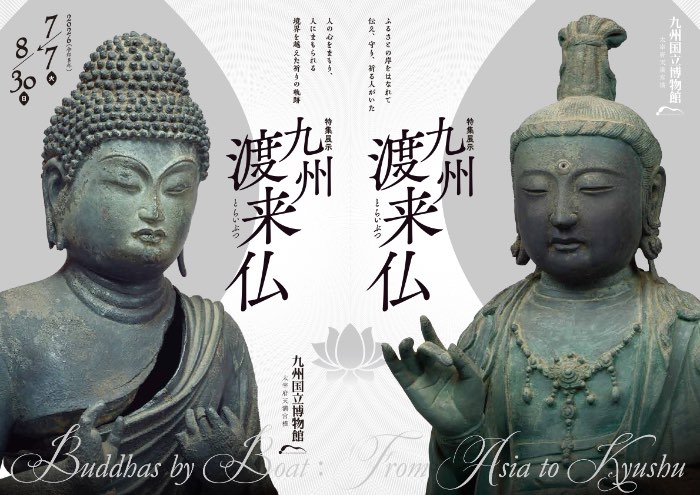
Buddhas by Boat: From Asia to Kyushu
A rare gathering of imported Buddhist images at Kyuhaku!
Buddhism came to Japan around 1500 years ago, via the Korean kingdom of Baekje (18 BCE–660 CE). Ever since, a variety of colorful Buddha statues and paintings have made their way over to Japan by sea. Here, these imported images have been worshipped, treasured, and handed down through generations by the people of Japan, just like their own Japanese-made Buddha images. In this exhibition, we delve into a selection of 40 iconic Buddhist images that were brought to Kyushu from abroad, from ancient to early modern times. Explore the history of their acceptance into Japan and witness the Seated Avalokiteshvara statue from Kannon-ji Temple in Tsushima, Nagasaki, which returned to Japan just last year.
Exhibition Period |
|---|
7 July (Tue) – 30 August (Sun) 2026 |
Venue |
|---|
Room L, Cultural Exchange Exhibition Hall (Floor 4), Kyushu National Museum |
Tickets (Cultural Exchange Exhibition Hall, including Permanent Exhibition) |
|
|---|---|
| Adults | 700 yen |
| University students | 350 yen |
| High school students, under-18s, and over-70s are free | |
* For further details on ticket prices, please refer to this page.
Exhibition Leaflet |
|---|
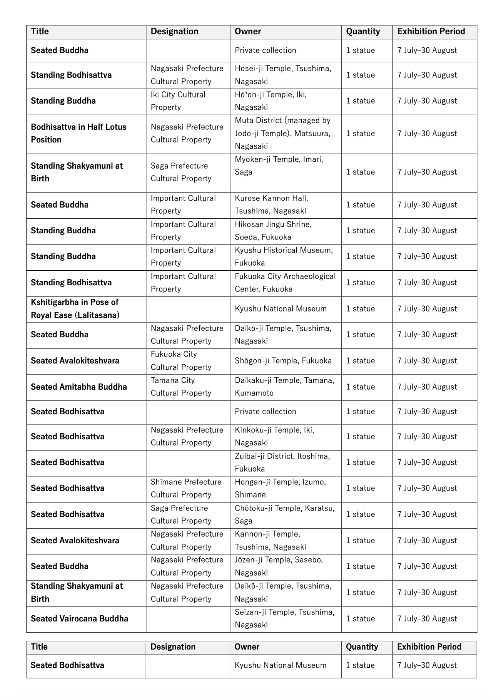
List of Works |
|---|
Exhibition Highlights
The pinnacle of imported Buddhas,
worshipped as a deity of safe childbirth
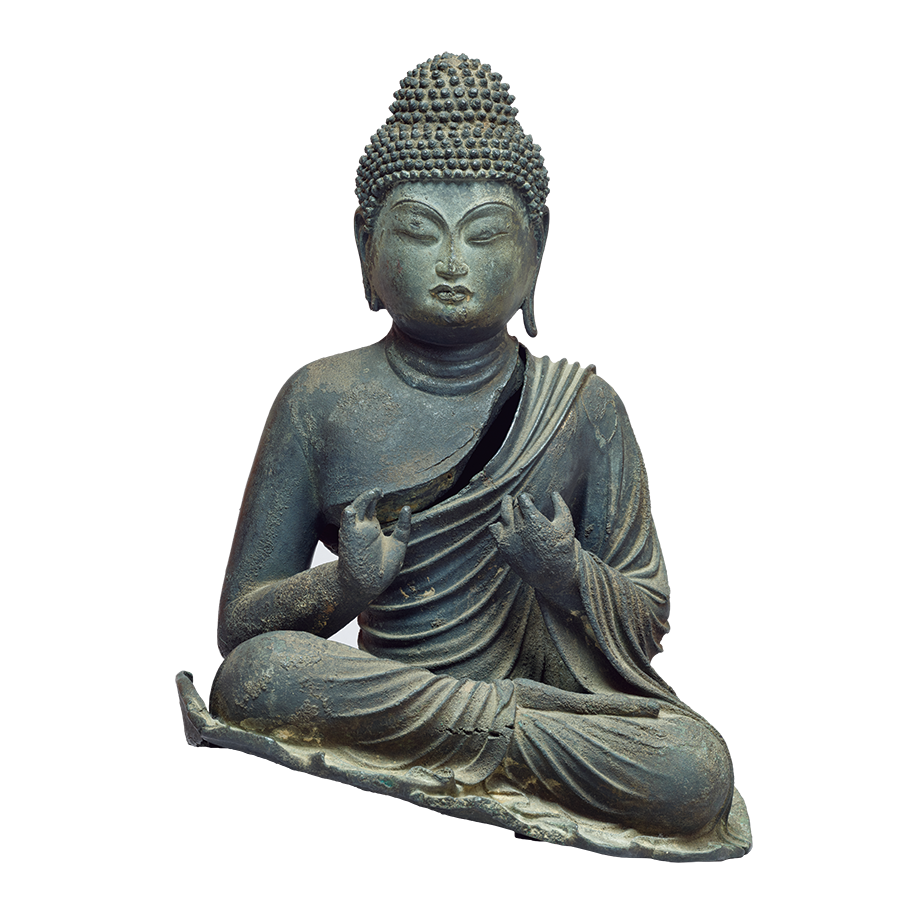
Important Cultural PropertySeated Buddha
Unified Silla period, Korean Peninsula; 8th century
Kurose Kannon Hall, Tsushima, Nagasaki
Welcome back, Avalokiteshvara:
the spirit of prayer that connects Korea and Japan
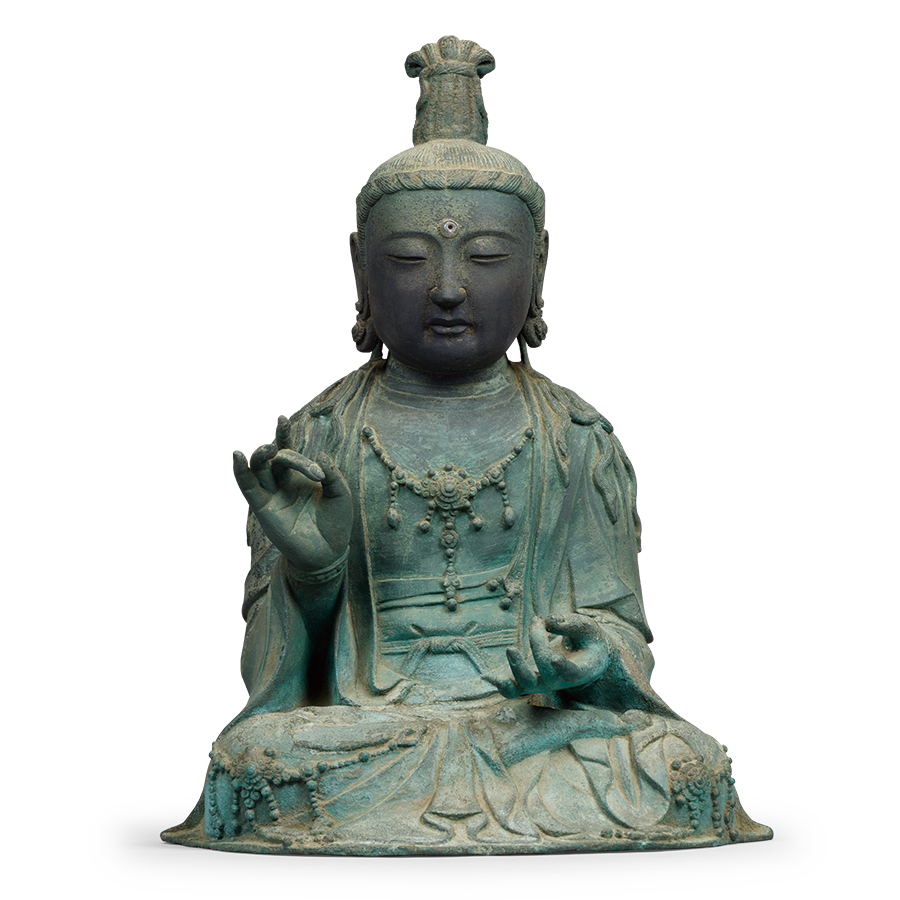
Nagasaki Prefecture Cultural PropertySeated Avalokiteshvara
Goryeo dynasty, Korean Peninsula; dated 1330
Kannon-ji Temple, Tsushima, Nagasaki
A Gandharan Buddha image,
the oldest imported Buddha in Japan
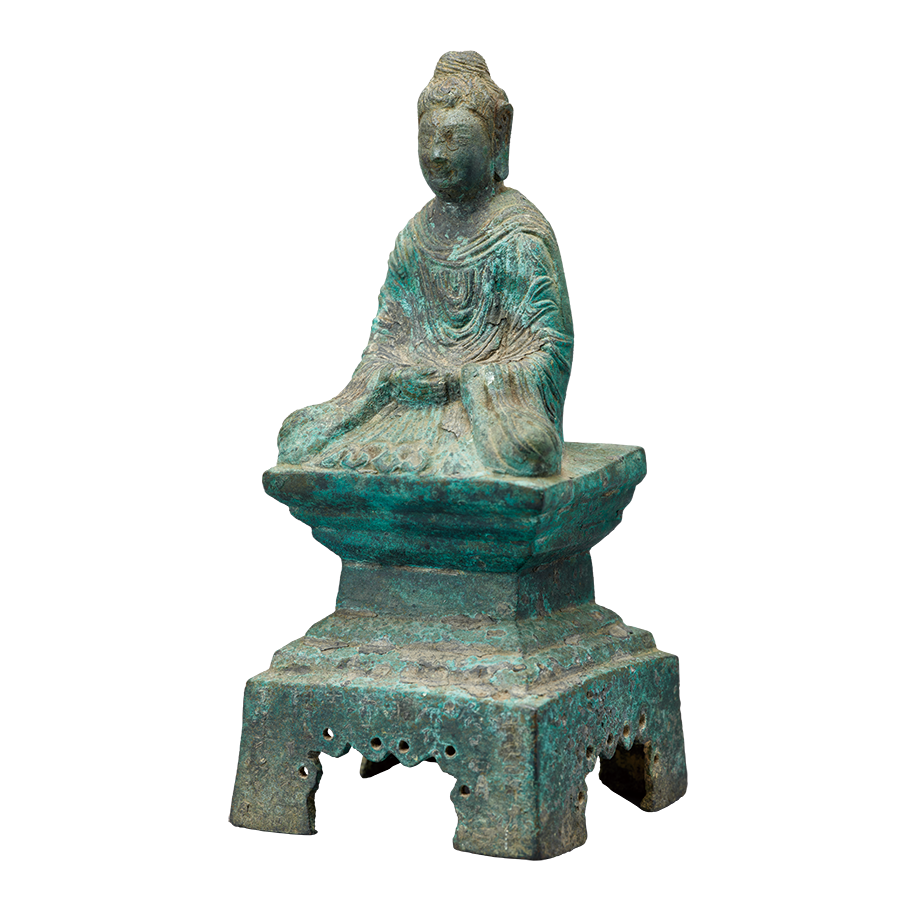
Seated Buddha
Northern Wei dynasty, China; dated 453
(brought to Tsushima, Nagasaki)
A long journey from Goryeo
to Tsushima and Dazaifu
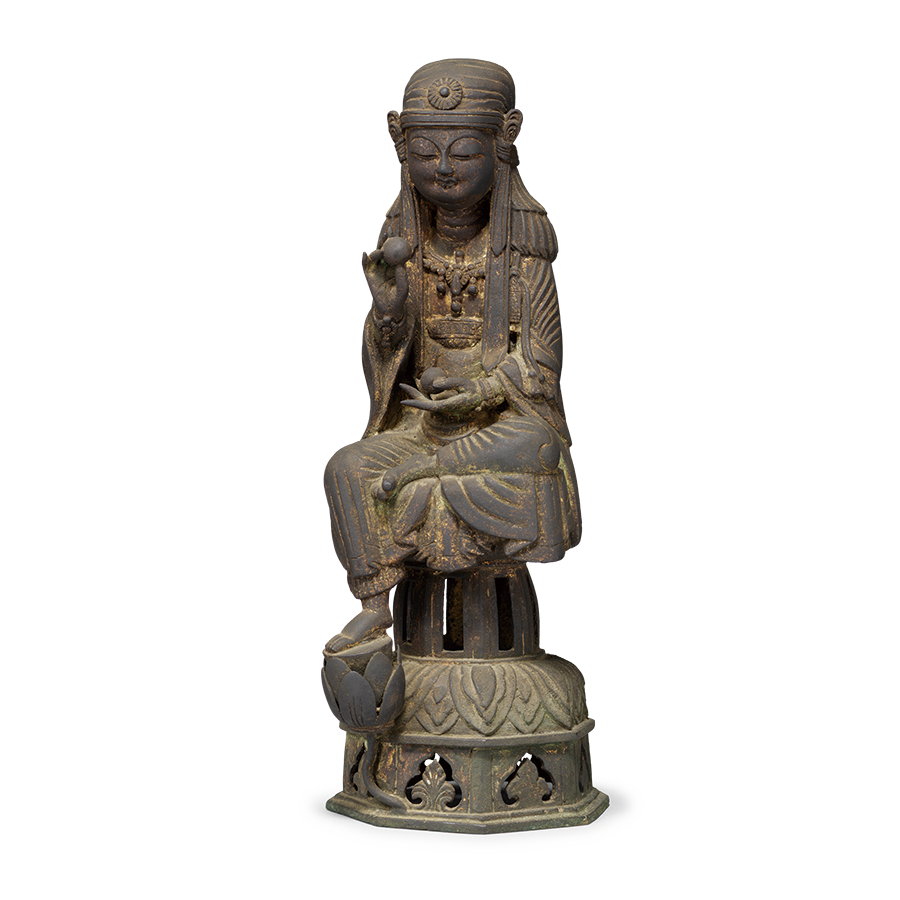
Kshitigarbha in Pose of Royal Ease (Lalitasana)
Goryeo dynasty, Korean Peninsula; 11th century
Kyushu National Museum (brought to Tsushima, Nagasaki)
Separated for centuries:
Buddha brothers from Itoshima and Izumo
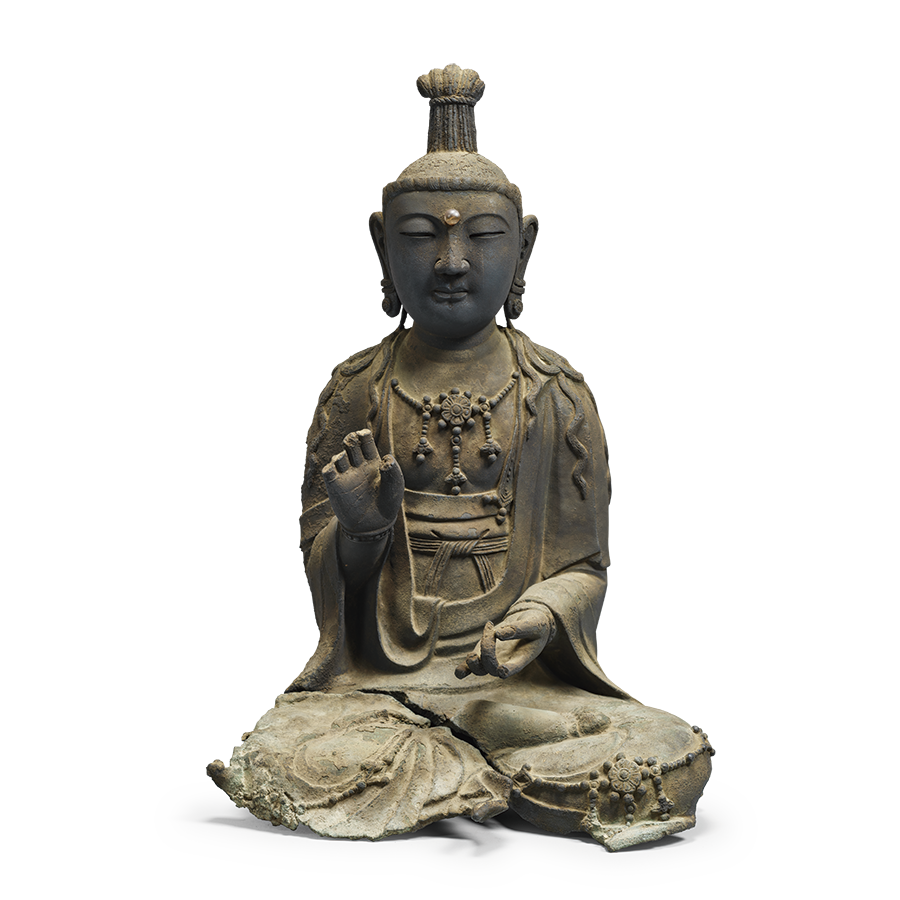
Shimane Prefecture Cultural PropertySeated Bodhisattva
Goryeo dynasty, Korean Peninsula; 14th century
Hongan-ji Temple, Izumo, Shimane
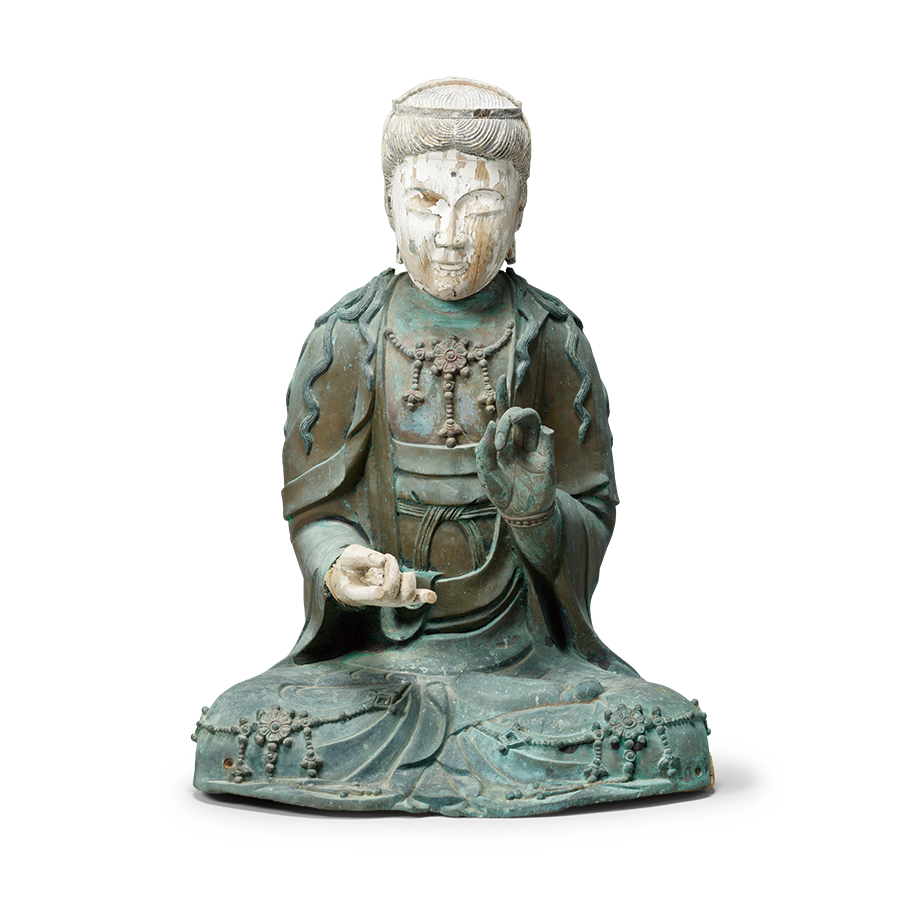
Seated Bodhisattva
Goryeo dynasty, Korean Peninsula; 14th century
Zuibai-ji District, Itoshima, Fukuoka
A baby Shakyamuni
brimming with personality!
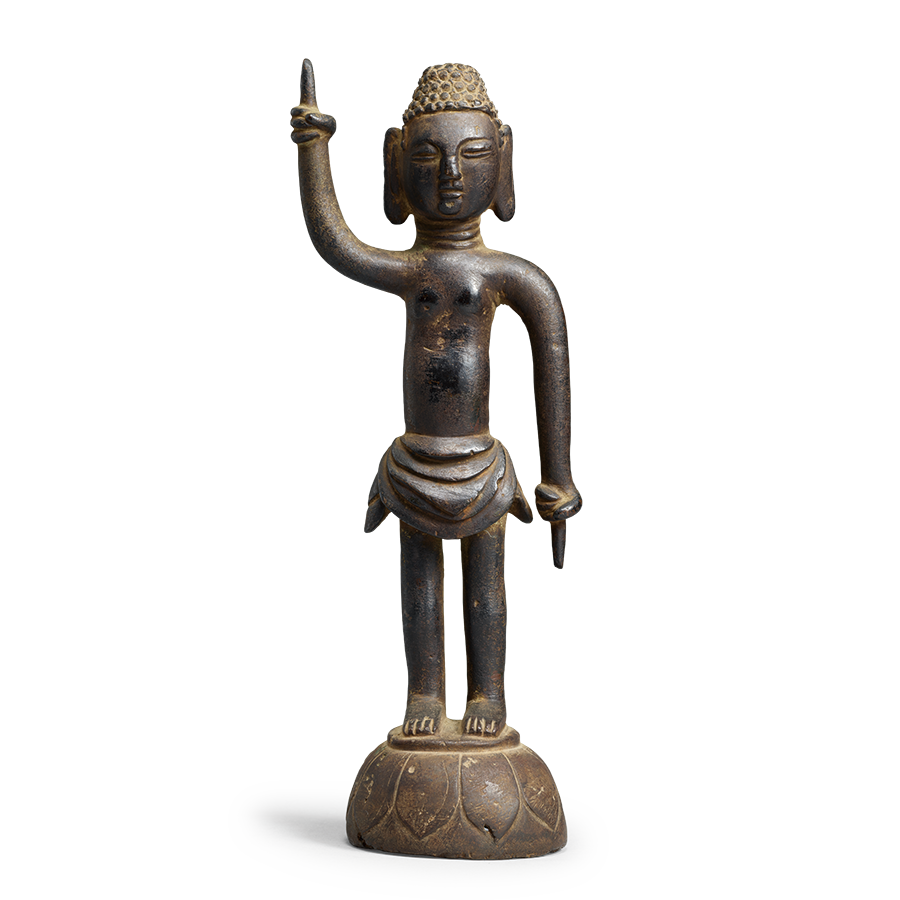
Nagasaki Prefecture Cultural PropertyStanding Shakyamuni at Birth
Goryeo dynasty, Korean Peninsula; 13th–14th century
Daikō-ji Temple, Tsushima, Nagasaki
The subtle smile
of an Ōbaku school treasure
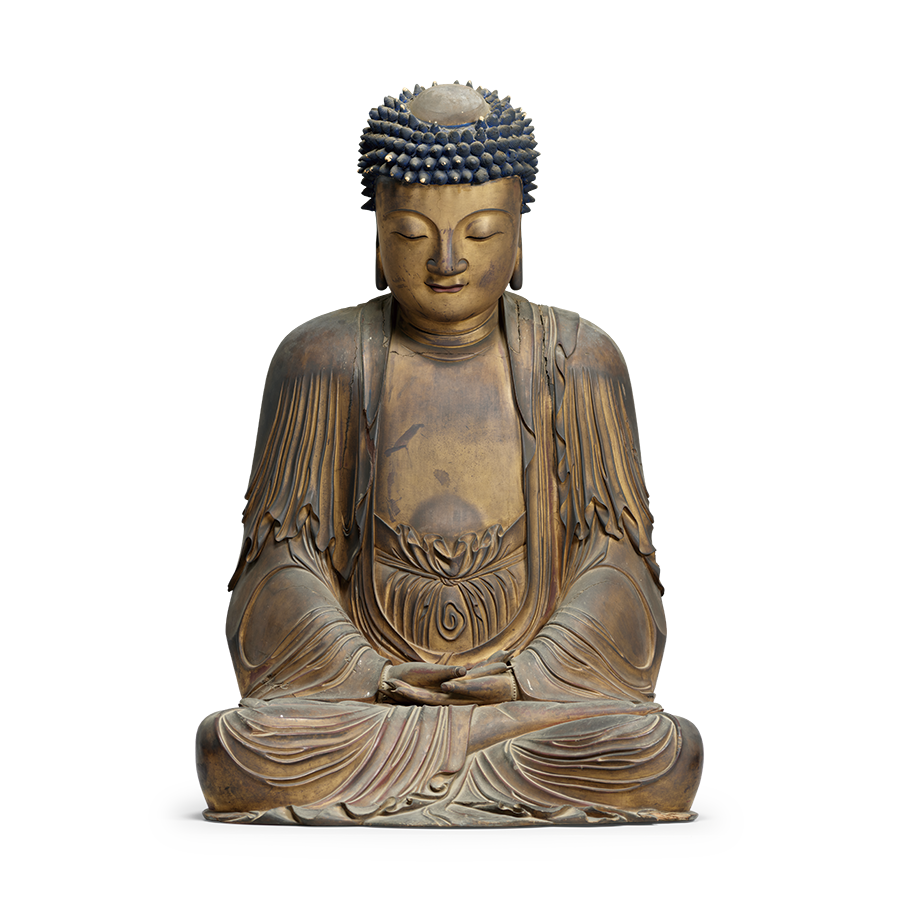
Seated Shakyamuni Buddha
Qing dynasty, China; 17th century
Shōgen-ji Temple, Kurume, Fukuoka
You can't cheat this test –
your fate is your own doing...
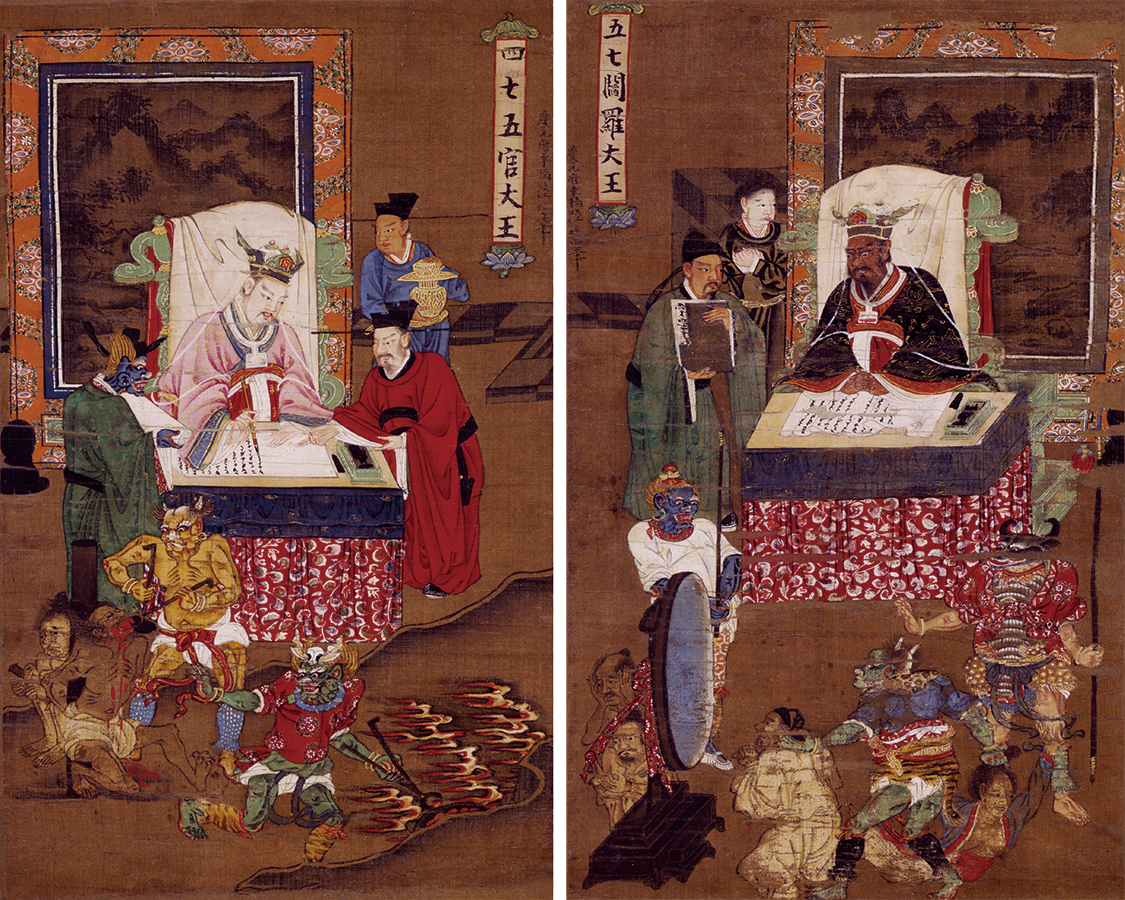
Fukuoka City Cultural PropertyThe Ten Kings of Hell
By Lu Xinzhong
Southern Song dynasty, China; 13th century
Zendō-ji Temple, Fukuoka
On display: 4–30 Aug
No borders, no nationalities:
a Pure Land of Ultimate Bliss
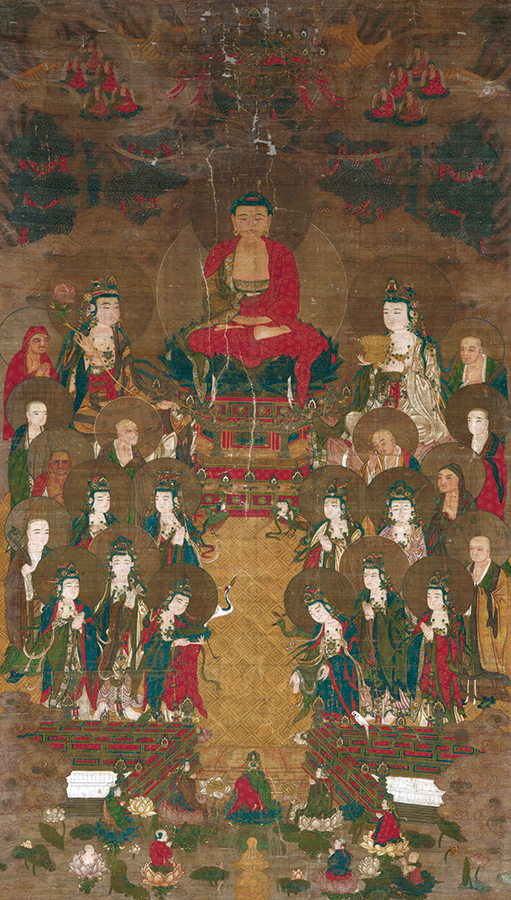
Amitabha’s Pure Land
Yuan dynasty, China; 14th century
Daiji-ji Temple, Kumamoto
On display: 7 Jul – 2 Aug
Events (in Japanese only)
No booking necessary, free admission
International Symposium
"Buddhas by Boat: Japanese and Korean Perspectives"
Kyushu is home to a large quantity of Korean Buddhist art. In this symposium, we are inviting 3 of Korea's leading experts in Silla, Goryeo, and Joseon Buddhist images to discuss how Kyushu's imported Buddhist art fits into the wider history of Korean Buddha images while comparing them to examples held in both North and South Korea.
10:00–17:00
No booking necessary, free admission
Museum Talks
② 12 August (Wed) 2026, 15:00–15:30
② Morizane Kumiko (Cultural Properties Division, Kyushu National Museum)
No booking necessary, free admission
Kyuhaku in 3-D: Deep Dive Discoveries
"Connected by Prayer: The History of Imported Buddhas"
13:30–15:00