Special Exhibition "ICE AGE: Discover the World 40,000 Years in the Past" - Kyushu National Museum

Travel back 40,000 years to the Ice Age...
40,000 years ago, in the freezing cold world
of the Ice Age, humans lived alongside gigantic creatures like mammoths.
While some survived, others went extinct.
In this exhibition, discover the people and animals that called the Ice Age
home, and unravel the mysteries of their struggles for survival.
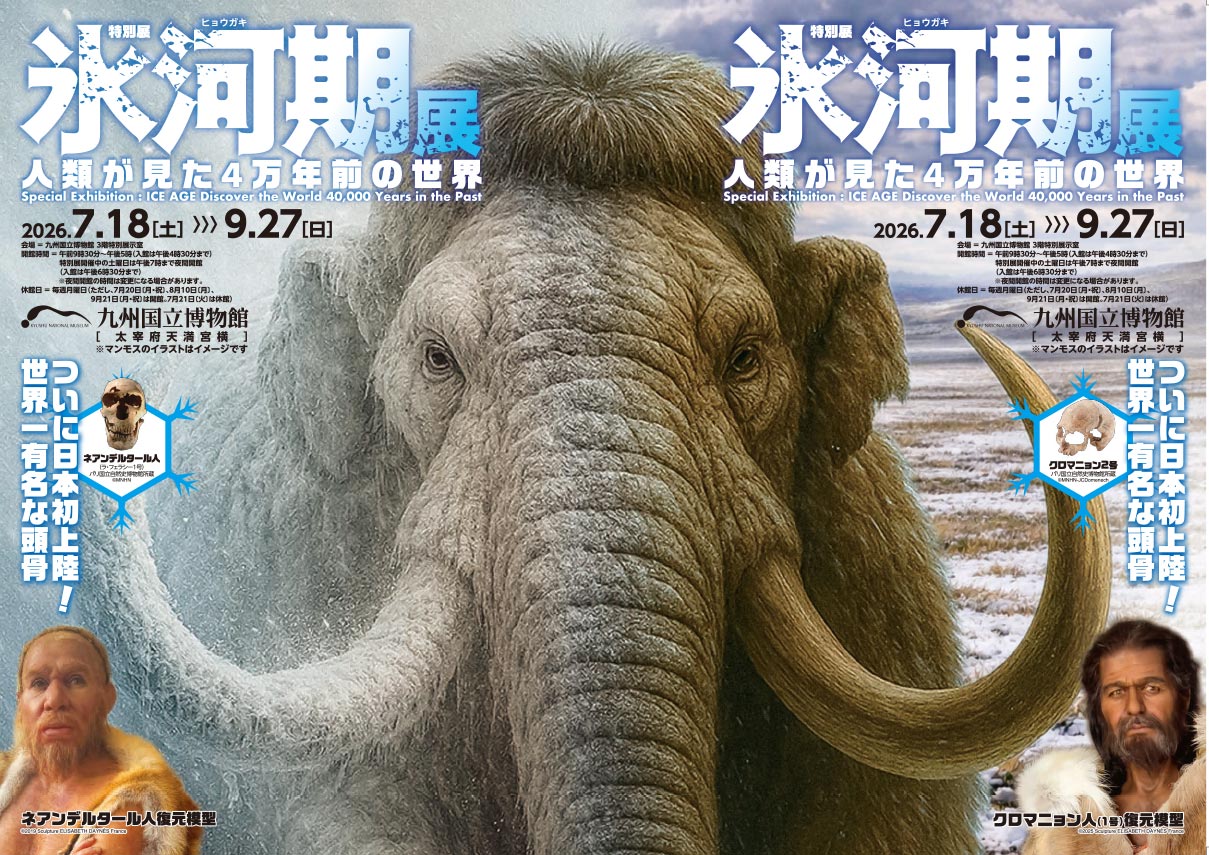
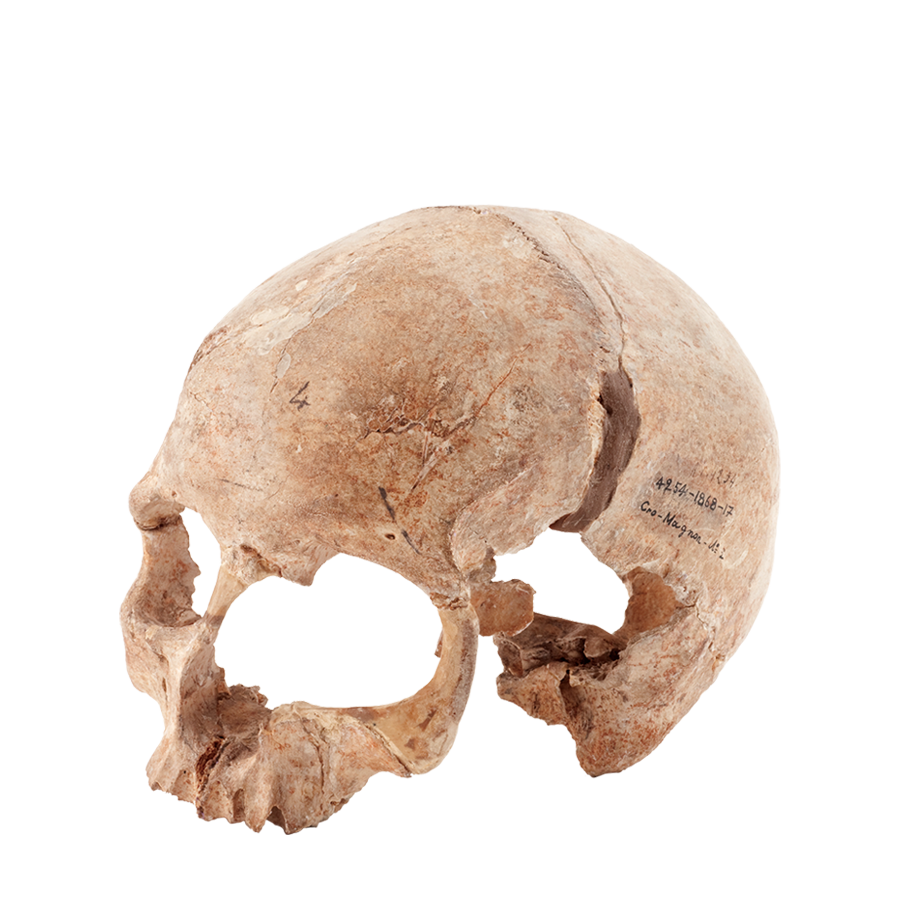
Keep an eye out for the real human skulls of a Neanderthal and a Cro-Magnon,
making their way around Japan for the first time ever!
Plus, get up close and personal with some of the giants of the Ice Age via
life-size recreations!
*What is the Ice Age?
An "ice age" refers to a period during which
much of the
earth's land is covered by thick sheets of ice.
During an ice age, the Earth alternates between a glacial period, a colder era
during which the sheets of ice grow drastically larger, and an interglacial
period, a warmer era during which the ice recedes. This is a cycle that takes
roughly 100,000 years in total.
Information
Exhibition Period |
|---|
Saturday 18 July – Sunday 27 September 2026Opening times:
Sundays, Tuesday–Friday
Saturdays (Kyuhaku After Five) Closed:
Mondays |
Admission Fees |
|
|---|---|
| Adults | 2,000 yen (1,800 yen) |
| University and high school students | 1,000 yen (800 yen) |
| Junior high and elementary school students | 600 yen (400 yen) |
* The above admission fees also grant entry to the Cultural Exchange Exhibition Hall on Floor 4.
* Students MUST present valid student ID.
- Disabled persons(*) (plus 1 carer)
* This refers to holders of officially issued certification for persons with physical, intellectual, and mental disabilities; veterans with combat-related injuries; atomic bomb survivors; patients with intractable illnesses; and pediatric patients with chronic illnesses. Certification that has been registered on the Mirairo ID app is also accepted. - Complimentary ticketholders
- Kyushu National Museum Friend of the Museum Special Exhibition ticketholders
- Kyushu National Museum Member's Premium Pass holders
- Kyushu National Museum Supporters
- Special Supporters and Supporters of the National Institutes for Cultural Heritage (NICH)
- Members of the Seifukai Association (Kyoto National Museum)
- ICOM members
- Japanese Association of Museums members
Ticket Sales/Details & Exhibition Flyer
Advance Tickets (until Friday 17 July)
●
ASOVIEW!
●
ARTNE TICKET ONLINE [no handling
fees]
●
LAWSON TICKET (L Code: 81567) [no handling fees if
purchased directly from a Loppi machine]
●
Seven Ticket [no
handling fees if purchased directly from a Seven-Eleven copy
machine]
* If handling fees apply, they may range from 110 to
330 yen.
●
Rakuten Ticket
●
Ticket PIA (P-Code:
995-973)
●
Tenjin Commuter Pass Sales Counter at Nishitetsu Fukuoka
(Tenjin) Station, Floor 1, SOLARIA STAGE Building [no
handling fees]
●
Museum Shop, Floor 1, Kyushu National Museum [available
during opening hours; no handling fees]
Same-Day Tickets
●
ASOVIEW!
●
ARTNE TICKET ONLINE [no handling
fees]
●
LAWSON
TICKET (L Code: 81567) [no handling fees if
purchased
directly from a Loppi machine]
●
Seven Ticket [no
handling fees if purchased directly from a Seven-Eleven copy
machine]
* If handling fees apply, they may range from 110 to
330 yen.
●
Rakuten Ticket
●
Ticket PIA (P-Code:
995-973)
● Kyushu National
Museum ticket counters and machines (Floor 1)
- Tickets cannot be refunded. Resale is prohibited.
- Advance ticket prices do not apply after the Special Exhibition starts.
- To avoid overcrowding, visitors may be asked to wait before entering the Special Exhibition Hall.
Exclusive Merchandise and Ticket Bundle
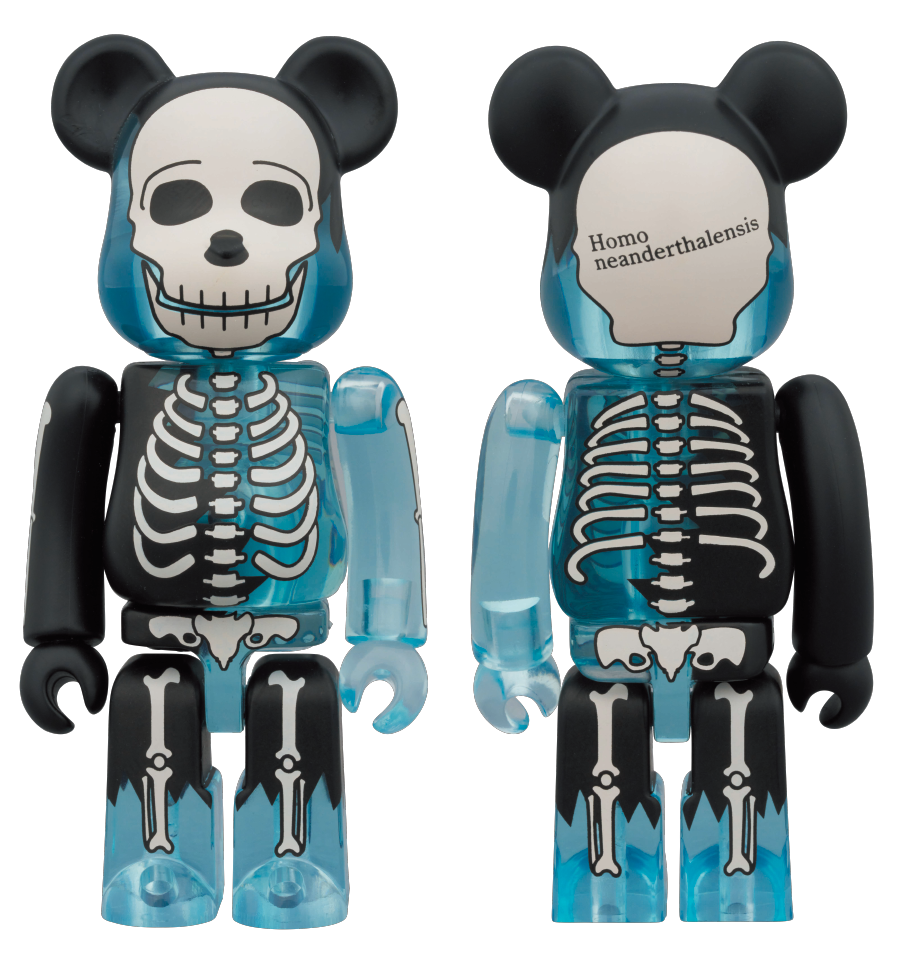
This special advance ticket bundle includes admission, plus an exclusive BE@RBRICK figurine.
Price: 4,700 yen (including tax)
* Limited to 500 bundles, while stocks last.
Available from: Ticket
PIA
(P-Code:
995-973)
* Handling fees may apply.
* The merchandise in this bundle may also be sold
separately on-site.
* Please collect your merchandise at the Special
Exhibition shop within the exhibition period.
BE@RBRICK TM & © 2001-2026
MEDICOM TOY CORPORATION. All rights reserved.
● Organizers:
Kyushu National Museum and Fukuoka Prefecture; RKB MAINICHI BROADCASTING CORP.; The Nishinippon Shimbun; Nishinippon Shimbun Event Service; TELEVISION YAMAGUCHI BROADCASTING SYSTEMS CO., LTD.; Oita Broadcasting System, Inc.; Nagasaki Broadcasting Co., Ltd.; RKK Kumamoto Broadcasting Co., Ltd.
● Co-Organizer:
Kyushu National Museum Promotion Foundation
● Special Contributor:
● Contributor:
Eishinkan Inc.
● Special Cooperation:
National Museum of Nature and Science, Dazaifu Tenmangu
● Planning Cooperation:
TBS GLOWDIA, Inc.
● Cooperation:
Kitakyushu Museum of Natural History & Human History
● Supporters:
Dazaifu City; Dazaifu City Chamber of Commerce and Industry; Dazaifu Tourist Association; Saga Shimbun Co., Ltd; Nishi-Nippon Railroad Co., Ltd.
● Enquiries:
050-5542-8600 (Hello Dial, 9:00–20:00 daily, in Japanese only)
Ambassador and Image Song
Ambassador
Abareru-kun
Just what was the key to survival in the harsh world
of the Ice Age...?
As ambassador for this exhibition, let me tell you
all about the wonders of the Ice Age and the history
of our planet!!
Highly knowledgeable in survival and the great outdoors, Abareru-kun runs a YouTube channel and holds periodic events as part of the "Adventure Club" community he leads.

Exhibition image song
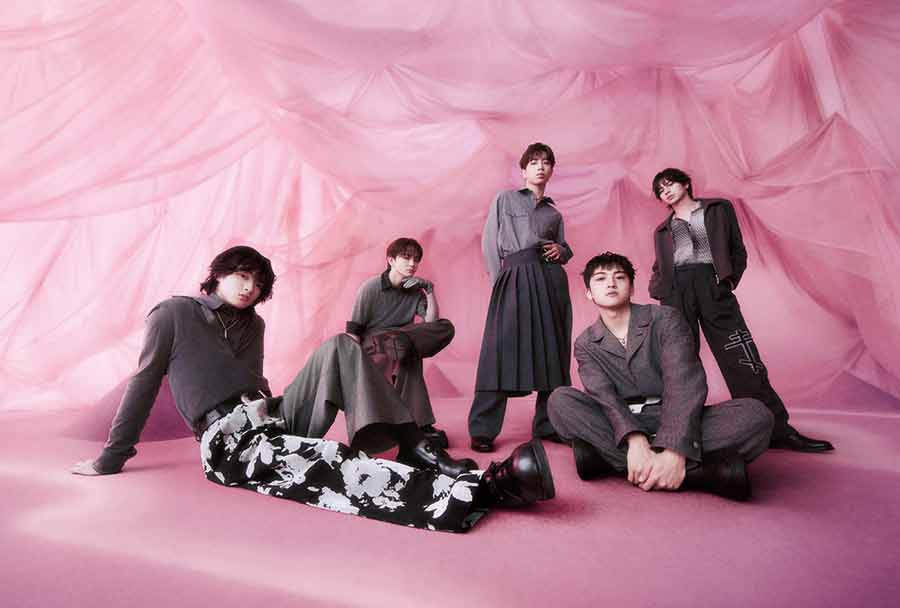
STARGLOW
"Moonchaser"
STARGLOW are a 5-man dance and vocal group born out of an audition project hosted by BMSG, a management label led by SKY-HI.

You can take photos of any objects in this exhibition!
(Videos are prohibited, as are photographs of videos played within the exhibition.)
Feel free to talk inside the exhibition hall!
Exhibition Highlights
Chapter 1
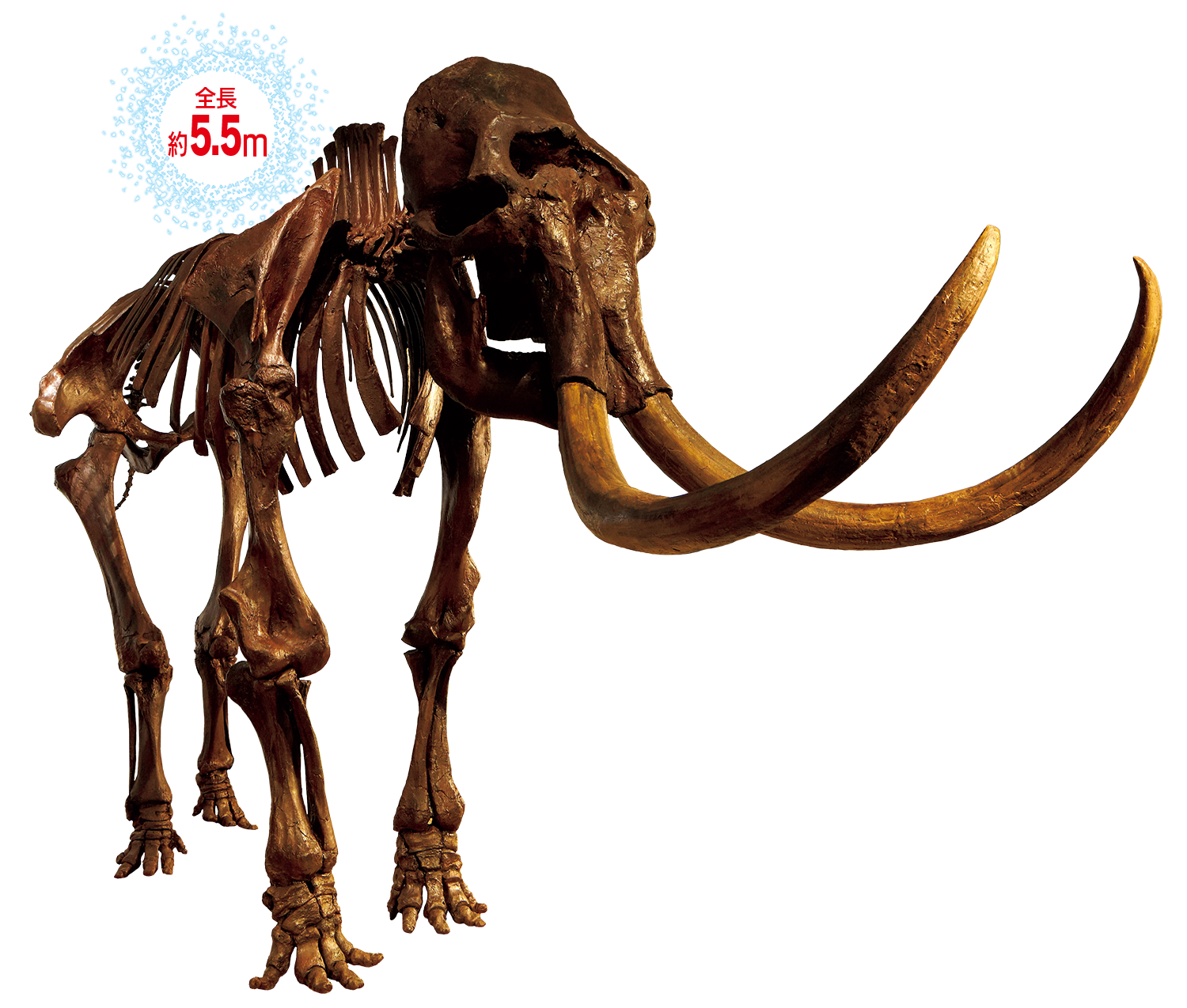
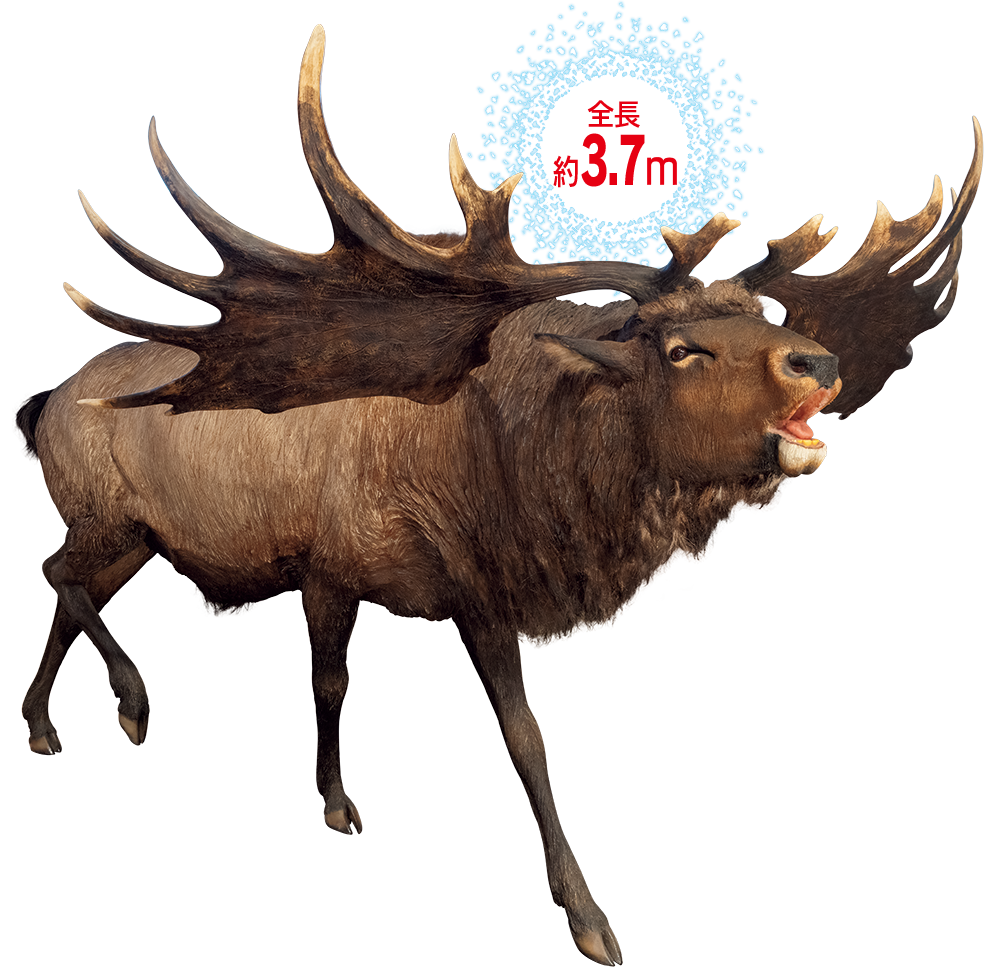
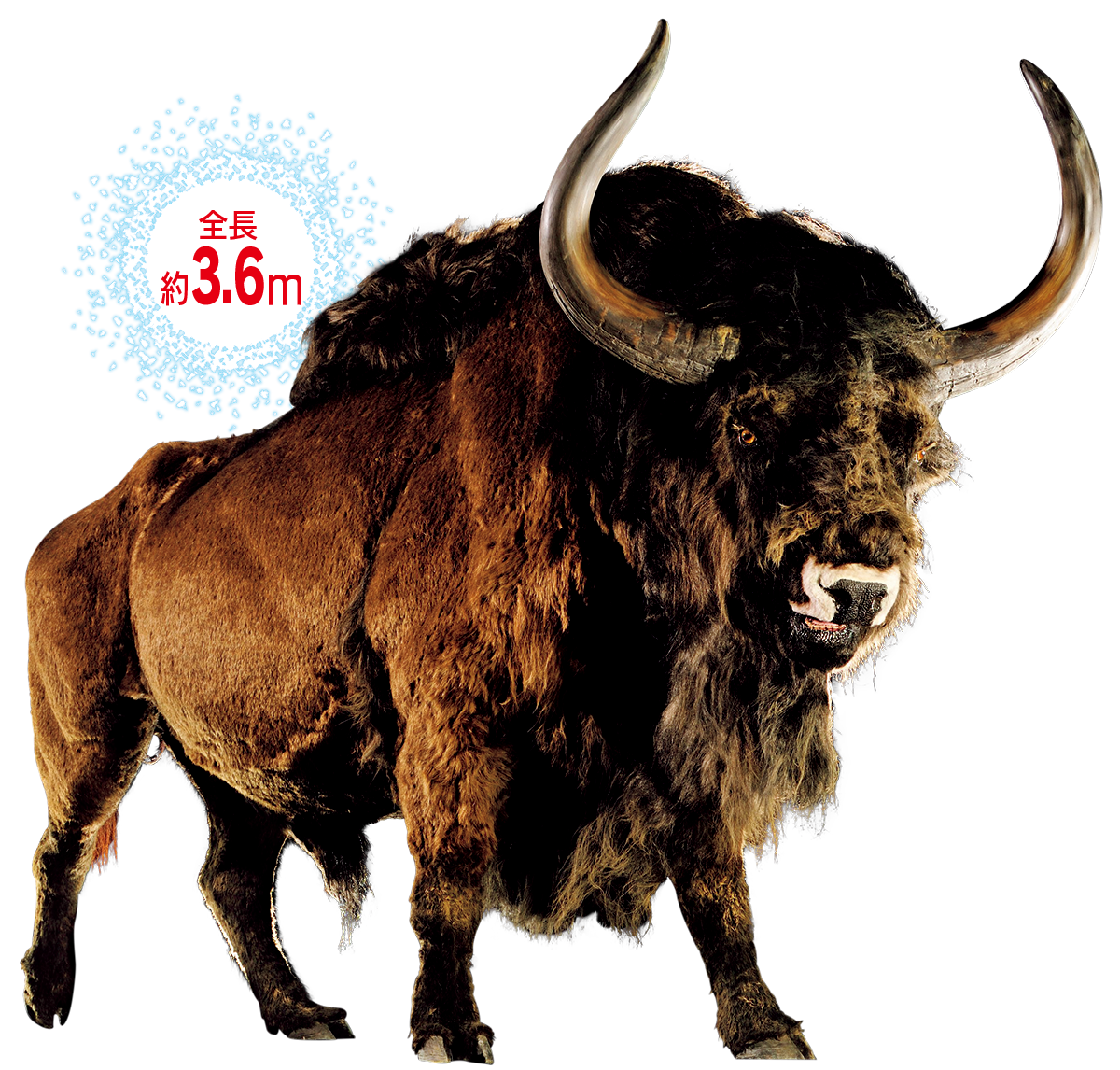
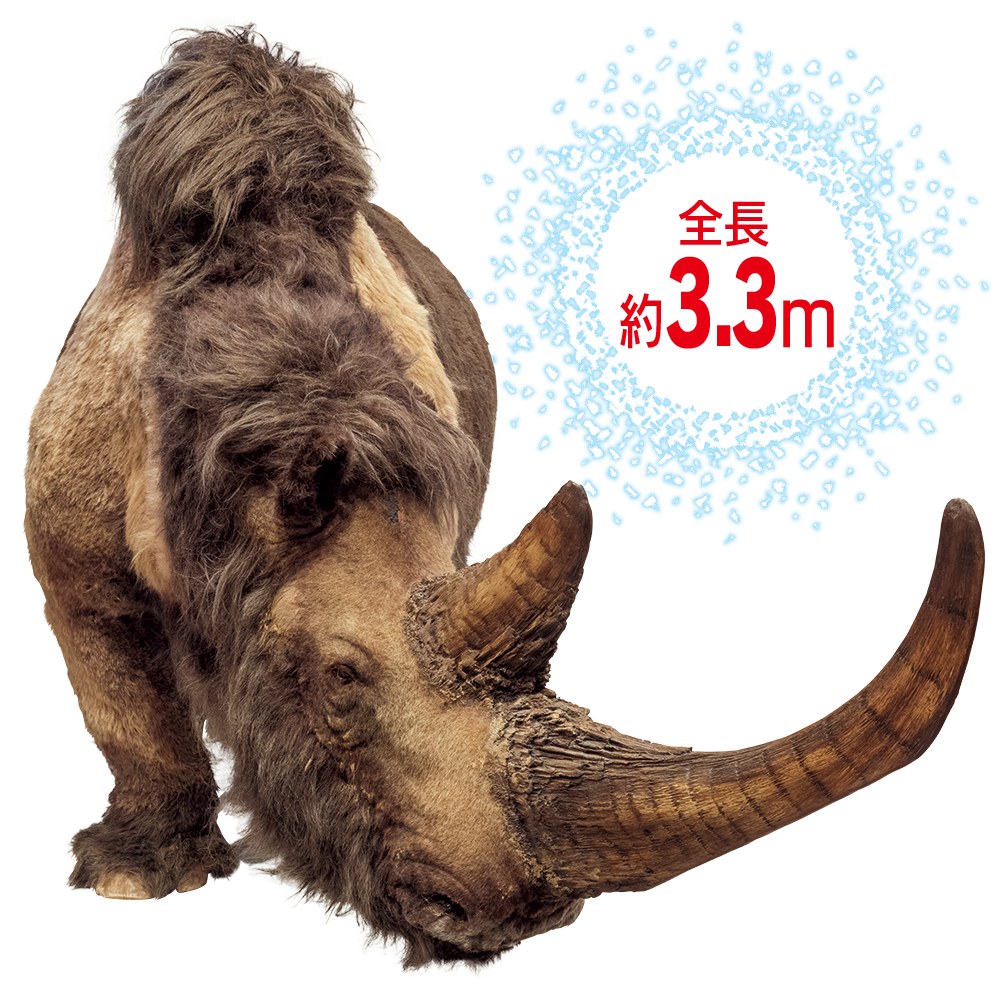
Animals in Ice Age Europe
Meet the giants that humanity faced down
During the Ice Age, northern Europe was covered in ice. However, central Europe was
home to a dry grassland region, which in turn hosted a range of megafauna, large
animals that reigned over the land.
What kinds of gigantic creatures called this harsh environment home?
Which of them went extinct, and which of them live on today?
Reiss-Engelhorn-Museen, Mannheim, Germany
©rem, Foto: Sarah-Nelly Friedland
Reiss-Engelhorn-Museen, Mannheim, Germany
©Frank Gaudlitz
Reiss-Engelhorn-Museen, Mannheim, Germany
©Marc Steinmetz
Reiss-Engelhorn-Museen, Mannheim, Germany
©Frank Gaudlitz
Chapter 2
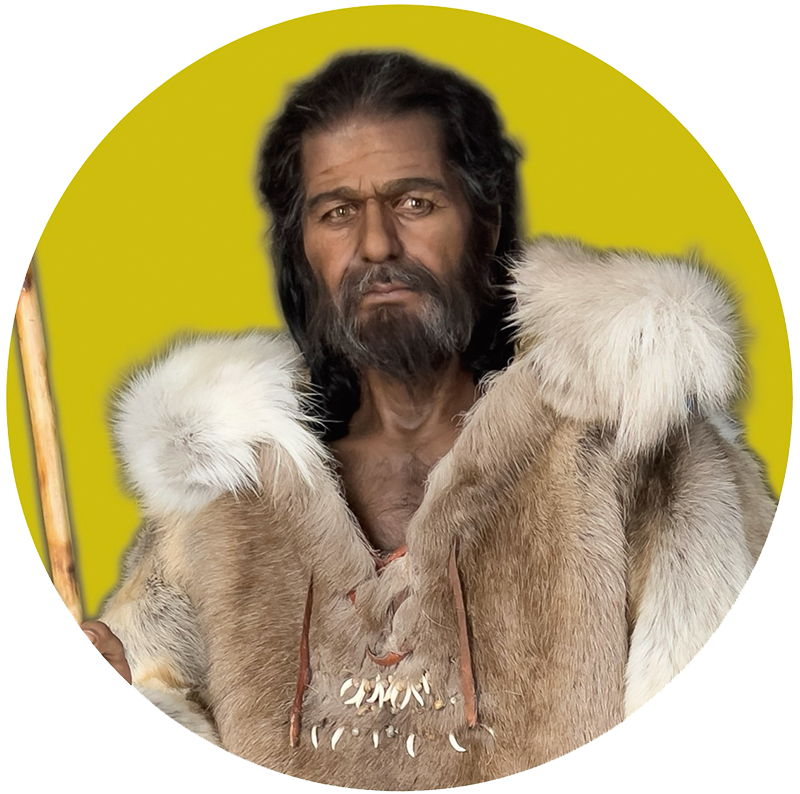
Neanderthals and Cro-Magnons
The world's most famous skulls are finally on show in Japan!
It wasn't just animals that lived during the Ice Age – it was also inhabited by
types of humans known as Neanderthals and Cro-Magnons. Cro-Magnons were of the
species Homo sapiens, the same as we modern humans. For this exhibition,
the real skulls of both a Neanderthal and a Cro-Magnon have made their way over to
Japan for the first time!
While Neanderthals had sturdy bodies and strong muscles, Cro-Magnons had
comparatively slim bodies, with long arms and legs.
These two types of human both lived during the Ice Age, but by 40,000 years ago, the
Neanderthals no longer existed.
What was it that set them each on a different path…?

Muséum national d'Histoire naturelle, Paris, France
©MNHN
Muséum national d'Histoire naturelle, Paris, France
©MNHN-JC Domenech
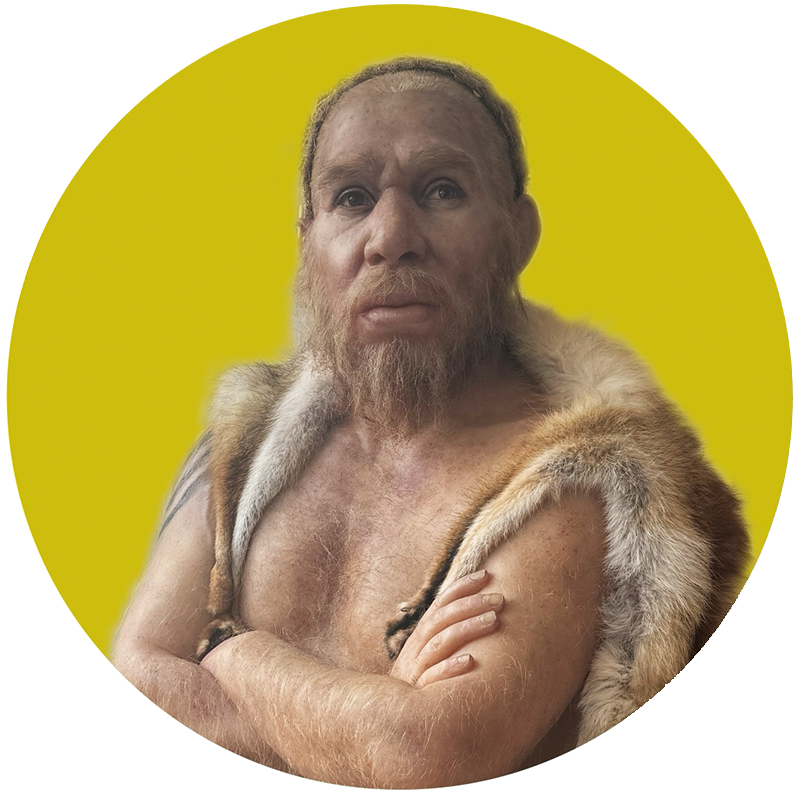
Ms. Elisabeth Daynès, France
©2019 Sculpture ELISABETH DAYNÈS, France
©2025 Sculpture ELISABETH DAYNÈS, France
Chapter 3
The Japanese Archipelago in the Ice Age
Did you know? Humans first arrived in Japan during the Ice Age...
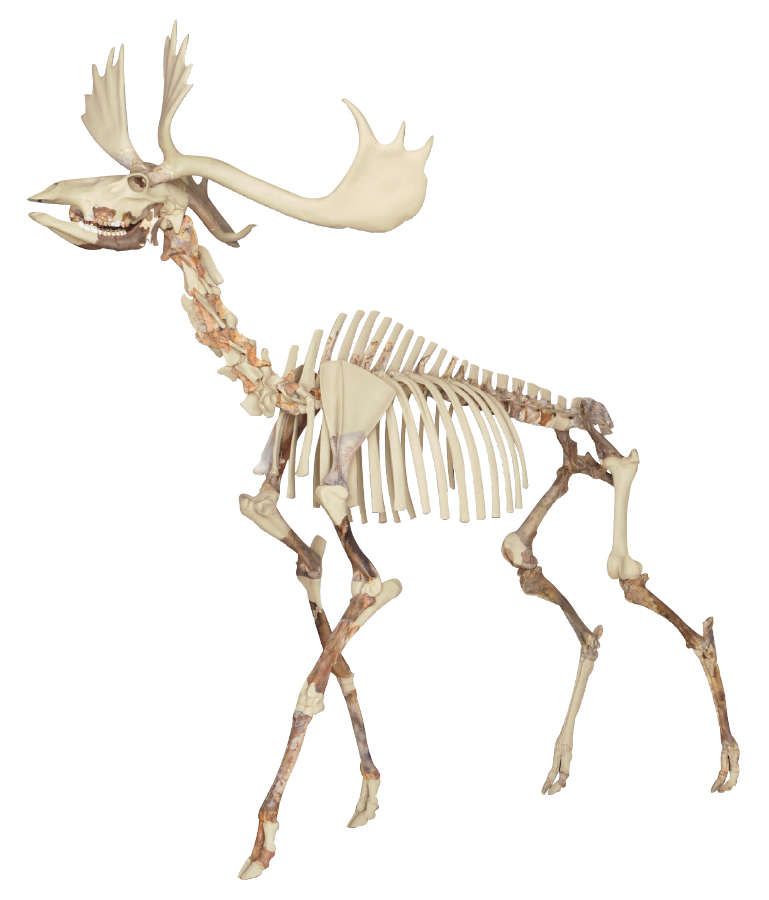
Spanning a great distance from north to south, the Japanese archipelago contains a variety of diverse environments. It is thought that humans had made the crossing over to Japan by around 38,000 years ago, during the Last Glacial Period. Soon enough, the Ice Age Japanese archipelago was shared between these prehistoric humans and the so-called "big three" of extinct Japanese animals – Naumann's elephant, Yabe's giant deer, and the Hanaizumi bison. What sort of animals were they, and what was it like to live in Ice Age Japan?
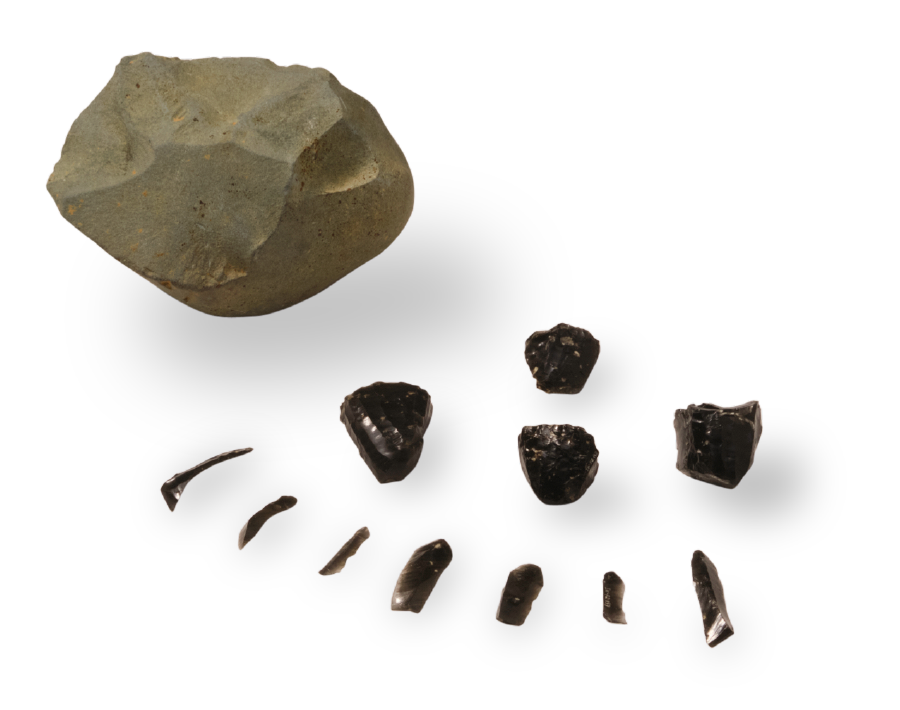
Kanagawa Prefectural Board of Education
Tochigi Prefectural Museum